From question to working prototype in six days
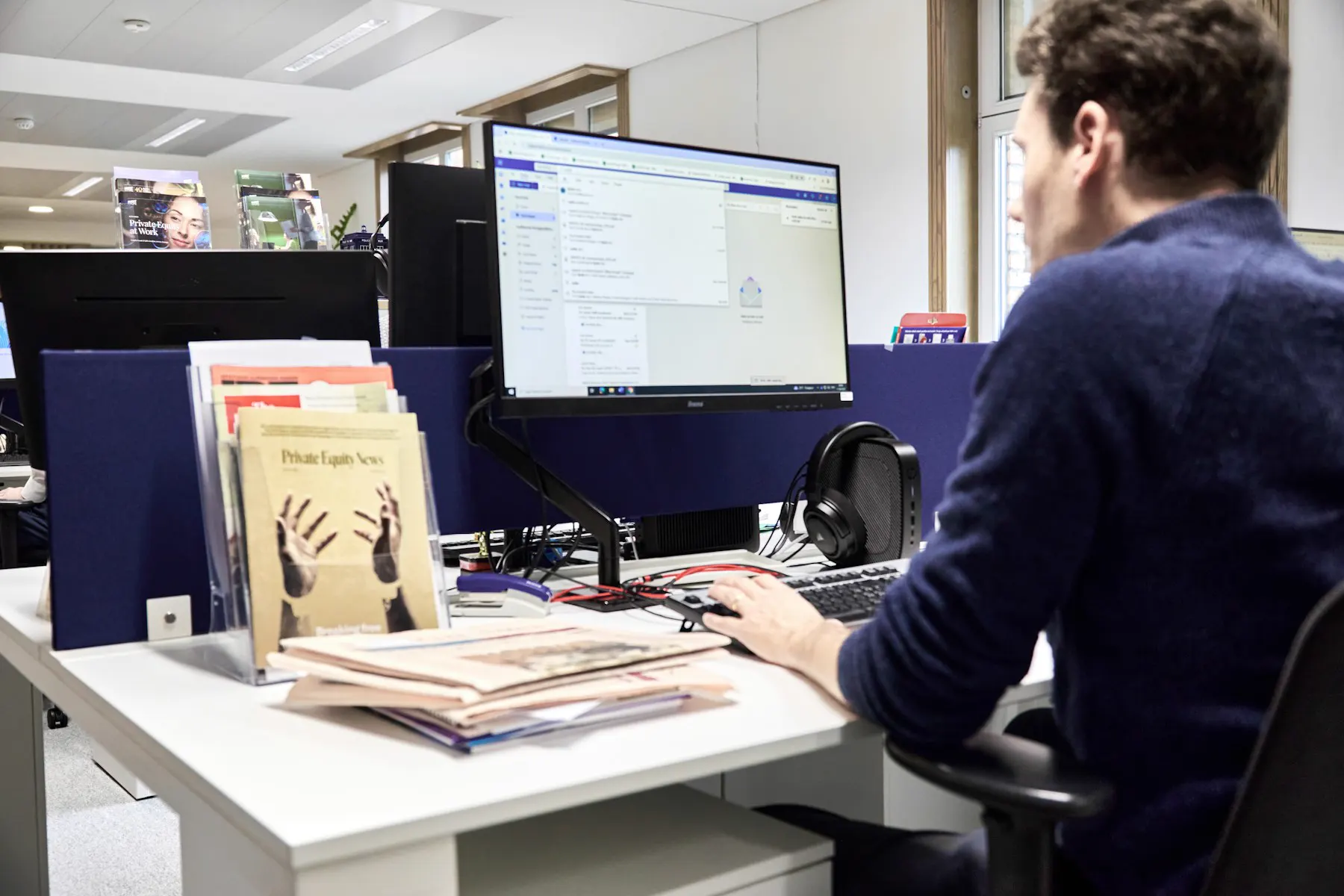
Kwakkel BV wanted to see whether the manual administrative work could go, and did not want to read it in a report. Within six days a prototype was running on data from their own records, with the business case on one page.
- days from kick‑off to working prototype
- 6
The question
Can the manual admin work go, and what would it cost to build?
What we built
- A prototype that processes recurring administrative steps automatically
- Built on data from Kwakkel's own records
- Unclear cases go to a staff member, who can check and correct every step
- A one‑page business case for the build decision
What Kwakkel had after six days
A working prototype, a demo for the staff and a one-page business case: what the full build costs, what it returns and when it pays for itself. With those figures, Kwakkel decides for itself whether and when the build starts.
Kwakkel BV was the first organisation where we worked this way. It is the approach we have called the start sprint ever since.
How it went
- Beforehand
Intake with the staff
Which steps recur every day, where things go wrong and which documents and data we need.
- Day 1
Kick‑off
Going through what was there together, and choosing the steps that take the most work.
- Days 2 to 5
Building
The prototype for those steps, on data from their own records. Not yet connected to Kwakkel's systems.
- Day 6
Demo and business case
A demo for the people who do the work, and what the full build would cost and return.


Want something similar built?
Need something that does not exist yet? Begin with a start sprint: a working prototype on your own data in six days, with the business case.